Old House Plumbing in Grange
Timber homes on stumps keep their pipes where a torch can reach them, and that shapes everything about plumbing an older house. This page covers old house plumbing in Grange: the runs under the floor, the galvanised supply lines, the old gas fittings and the paperwork a renovation triggers.
If we're late, $100 comes off your bill

- Licensed and InsuredEvery job done by a licensed plumber. QBCC No: 15024607
- Fixed Quote FirstFlat-rate pricing, agreed before any work starts
- Lifetime Labour WarrantyBacked by our Fix-It-or-It's-Free guarantee (T&Cs apply)
- $0 Call-Out FeesNo extra charge for nights, weekends or public holidays

Every job our Grange plumbers take on is done by a licensed plumber. The suburb's housing runs old, with pre-1940 and post-war weatherboard and brick homes on stumps filling most of its streets.

Pipes Under the Floor of a Timber Home
Stumps raise the floor, and beneath it travels most of the pipework: water, waste and gas lines cross that open space, in view of anyone game to crawl under. Slab construction is the reverse, with pipes buried in or beneath the slab and hidden behind wall linings, so reaching them means cutting something open.
That under-floor gap lets you check plenty before anything gets opened. Look for:
- damp or stained timber along a run
- rust marks on pipes and fittings
- soil gone soft where a pipe drips
- a stale, damp smell beneath the boards
Under the Plumbing and Drainage Act, an owner has to take every reasonable step to keep the plumbing and drainage at the premises in decent condition and working order. A suspicious patch under the floor is not something to sit on.
Our leak detection page traces hidden leaks before a reno opens anything.
Old Gas Fittings and Who May Touch Them
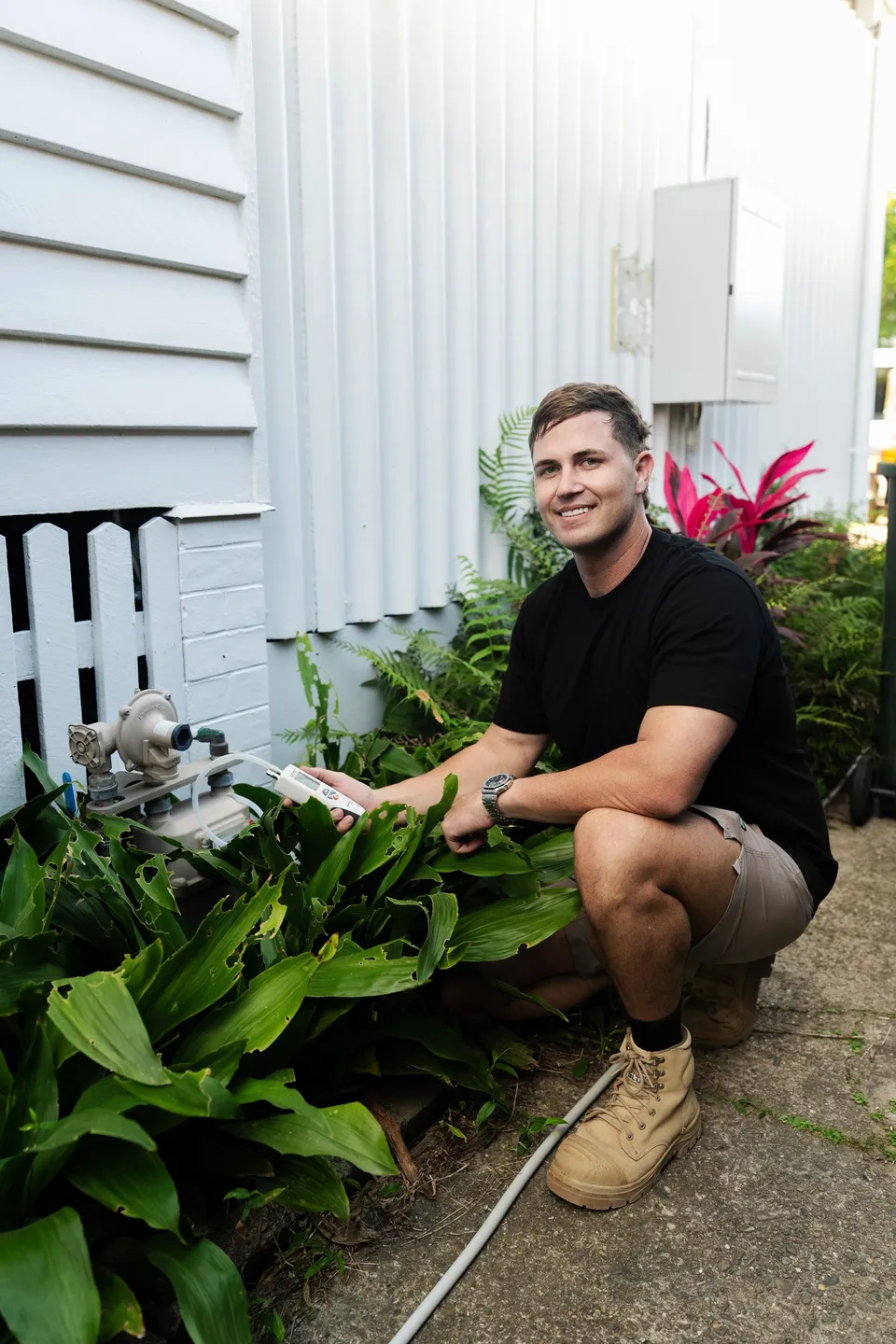
Only a licensed gasfitter may touch gas pipework in Queensland, whatever the task: putting it in, pulling it out, changing it, mending it, servicing, testing or certifying it. State advice also asks owners to look over their gas systems now and then for corrosion, deterioration or damage, and to keep anything that burns well away from the appliances.
Two more rules shape an older-home gas job:
- A defect notice goes to the owner whenever a gas worker finds a safety concern on the system being worked on, unless the fault is fixed on the spot.
- Smelling gas indoors? Switch the appliance off, open doors and windows, and leave every electrical switch alone. Shut the supply at the meter or cylinder if the smell lingers, then ring (07) 3523 7172, or 000 if it will not clear.
Our gas fitter page covers the compliance side in more detail.
What the Age of Your Water Pipes Means
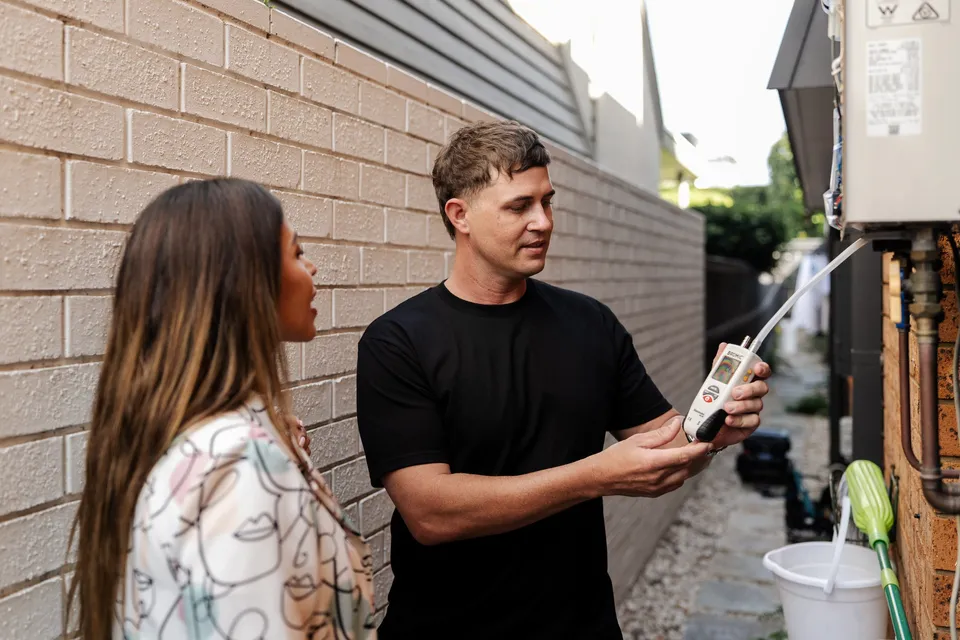
Galvanised pipe is steel with a zinc coating, and once that coating wears away, the bare steel rusts from the inside. The taps usually tell you first: discoloured water, flow gone weak at several outlets, and leaks that come back along the same run.
Much of the suburb's original interwar supply is galvanised steel, and rust slowly closes it down, so a weak shower often shows up before any leak you can see.
Until 1989, plumbers across Australia commonly joined brass fittings to copper pipe using solder containing lead. A home plumbed before then deserves a thought about the age and condition of its water service pipes.
Where a run is past saving, our repiping page sets out the replacement options, and a plumber verifies what the walls actually hold before any plan is drawn.

Before You Open Up the Walls of an Old House
Reno plumbing in a building that already stands is mostly notifiable work: the plumber needs no permit from council, no inspection is forced, and a Form 4 goes to the QBCC after the job. The Regulation counts a building as standing once drainage and a water supply are both present, which describes nearly every older home.
A few things change that category:
- A shared combined drain, or a dual reticulated water supply, lifts the job into permit work, so the plumber applies to the local government before starting.
- Every new or replacement water heater needs a temperature control device holding the water at the outlet to 50°C or below, and fitting one is notifiable work.
- Houses going up before 1990 mostly contain some asbestos, so renovating one takes extra care and can cost more.
A permit, once issued, stays with the premises it covers and binds whoever holds or occupies them afterwards.
Opening walls and floors in these older homes can meet the suburb's own age. Galvanised lines inside an interwar wall tend to rust through where the threads meet, so an opened wall often hands you a length ready for replacement.
Below the floor, the original drains run in short clay lengths jointed with cement that has loosened over the years. A bathroom reno on Evelyn Street can uncover a shifted socket that has been dripping quietly for a long time.
How a Visit Runs
- 1

Get in touch
Call (07) 3523 7172 or send a quick message about the job in Grange, and we'll ask what we need to know.
- 2

Inspect and sort the job
We look over what shows, from the under-floor runs to the fittings inside the walls, and confirm the pipe material and its condition. We then sort the job into minor, notifiable or permit work so the paperwork fits the house.
- 3

Sign off the quote
You'll see a fixed quote before any work starts, with flat-rate pricing and no hidden fees. The job starts when you're happy with it.
- 4

Pay once it's done
Pay by card or EFTPOS on site after the work's finished, or choose Fix now, pay later.
Plumbing job in Grange?
$0 call-out fees, available 24/7, and same-day where we can.
Older Home Plumbing Questions Answered
Call (07) 3523 7172What is different about plumbing in an older Grange home?
Age, alteration and material. The supply lines may be galvanised steel corroding from within, the drains short clay sections with aged joints, and the gas fittings older work under today's rules. A licensed plumber verifies the material and condition on site.
How do I check the plumbing in an old house?
Look at what shows: damp patches, soil gone soft under a pipe, rust stains on fittings, rusty water, weak flow at more than one tap, and drips beneath the floor. Our plumber checks the rest, and our leak detection page walks through the meter test with no water in use.
Why is the water rusty in my older Grange home?
Rusty or brown water is the classic sign of steel pipe corroding internally. Once the zinc coating of a galvanised pipe wears away, the bare steel rusts and tints the water. Our plumber confirms the cause on site, and replacement sits on our repiping page.
Do plumbing renovations in old houses cost more?
Yes, they can. The two biggest drivers are reaching old pipework beneath floors and inside walls, and the condition of whatever gets opened up. Asbestos precautions on a pre-1990 house may add cost. Flat-rate pricing applies, and the fixed quote locks the price before any work starts.
Can I find out what plumbing work was done before?
Yes. An owner can search the address on the QBCC's notifiable work register and ask the QBCC for a copy of a Form 4 from past jobs at the property. Any permit from earlier work stays with the premises and binds whoever owns them now.

Call Us About Your Older HomeWe'll call you back.
Call (07) 3523 7172 to book a plumber in Grange. We're available 24/7, with $0 call-out fees, flat-rate pricing and same-day where we can.
To claim your $0 call-out fee, call (07) 3523 7172 today.